

As we anticipate the rain to to fall more abundantly across Maui, Hawaiians traditionally welcome the Makahiki — a sacred season of abundance, peace, and gratitude. Marked by the rising of the Makaliʻi constellation (known elsewhere as the Pleiades), Makahiki signaled the start of the Hawaiian new year — a time when daily rhythms slowed and the focus turned to honoring the gods, the land, and each other.(link)
A Season of Rest and Reflection
Makahiki typically begins in late October or early November and continues through February or March, depending on the lunar calendar. During this time, warfare and large-scale labor came to a halt. No canoes were launched for battle, and fields were left to rest — symbolizing a communal pause for both people and the ʻāina.

Instead, tribute was offered to Lono, the god of fertility, rain, and agriculture. Lono’s image, often represented by a long pole wrapped in white kapa cloth and adorned with gourds and greenery, was carried from district to district in a grand procession. As the people welcomed Lono’s presence, they celebrated with games, feasts, hula, and song, reflecting both joy and reverence for life’s cycles.
The King’s Role and the Balance of Power
For aliʻi (chiefs or kings), Makahiki was also a time of humility and accountability. The leader would symbolically step aside from warfare and conquest to participate in peaceful rituals — acknowledging that his power was derived from the gods and sustained by the well-being of his people and the land.
During these months, the aliʻi received offerings from the people but also gave back — hosting feasts and ceremonies that honored the gods while ensuring everyone was nourished. This exchange reinforced the Hawaiian value of pono — balance, righteousness, and harmony within the community and the natural world.
The People and the Spirit of Celebration

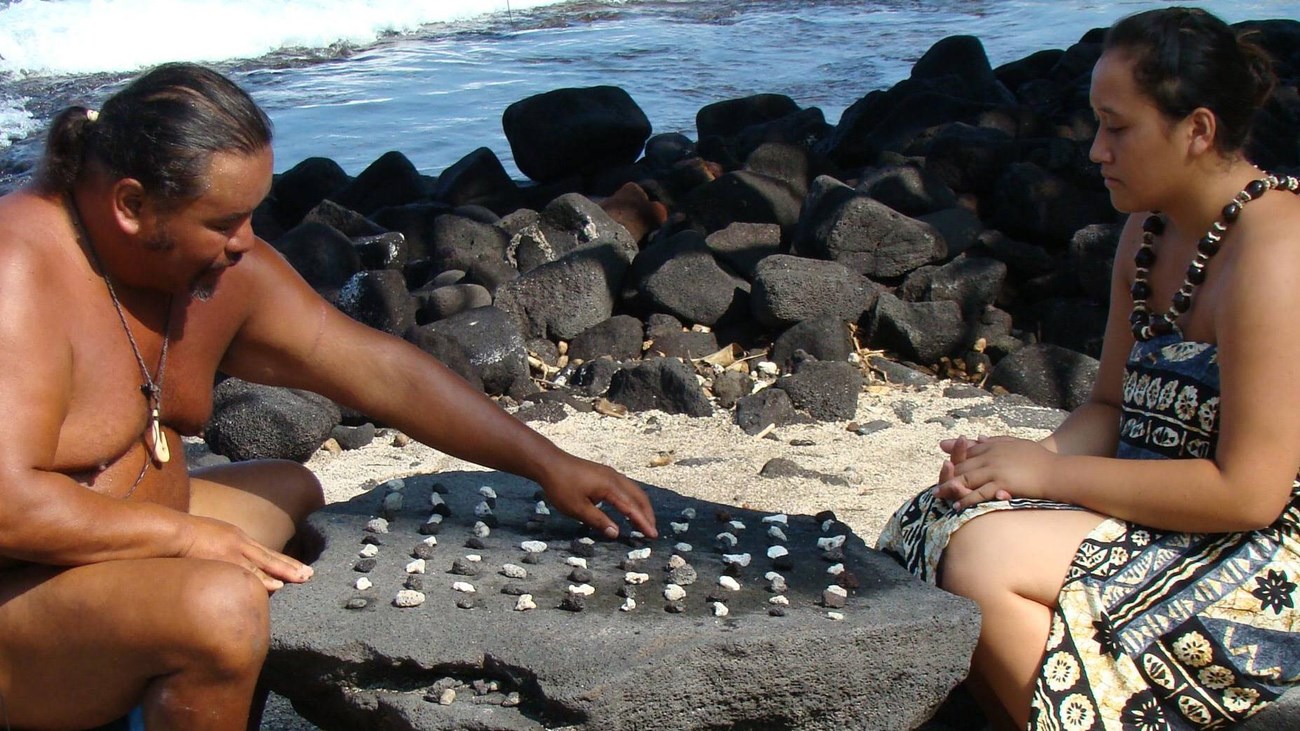
For commoners (kamaʻāina), Makahiki was a welcome break from daily labor and conflict — a time to rest, reflect, and reconnect. Communities came together for friendly competitions like ʻulu maika (stone rolling), mokomoko (boxing), and konane (Hawaiian checkers), celebrating harvests and honoring the balance between people and the ʻāina.
Interestingly, the word Makahiki is thought to stem from makaliʻi hiki, meaning “the rising of the Makaliʻi” — the Pleiades constellation — which signaled the start of this season of renewal and gratitude — a chance to pause, give thanks, and prepare for the year ahead.
Today, you can experience that same spirit of connection and renewal in Maui’s rainforest with a Rappel Maui adventure. As waterfalls flow stronger and the land thrives, it’s the perfect time to embrace the energy of the season and see the island in its most vibrant state.